
Fresh Food Myths We’re Leaving in 2025
Every January, conversations around food tend to swing between extremes: cut this, eliminate that, start over completely. But when it comes to fresh food, many of these suggestions are unhelpful and outdated.
At Verdantt, we believe consuming fresh food should feel normal, accessible, and realistic, not overly-complicated or exclusive. As we move into 2026, here are a few fresh food myths we’re officially leaving behind.
Myth #1: Fresh Food Is Always Expensive
Year over year, this is one of the most persistent beliefs - and one of the most misleading.
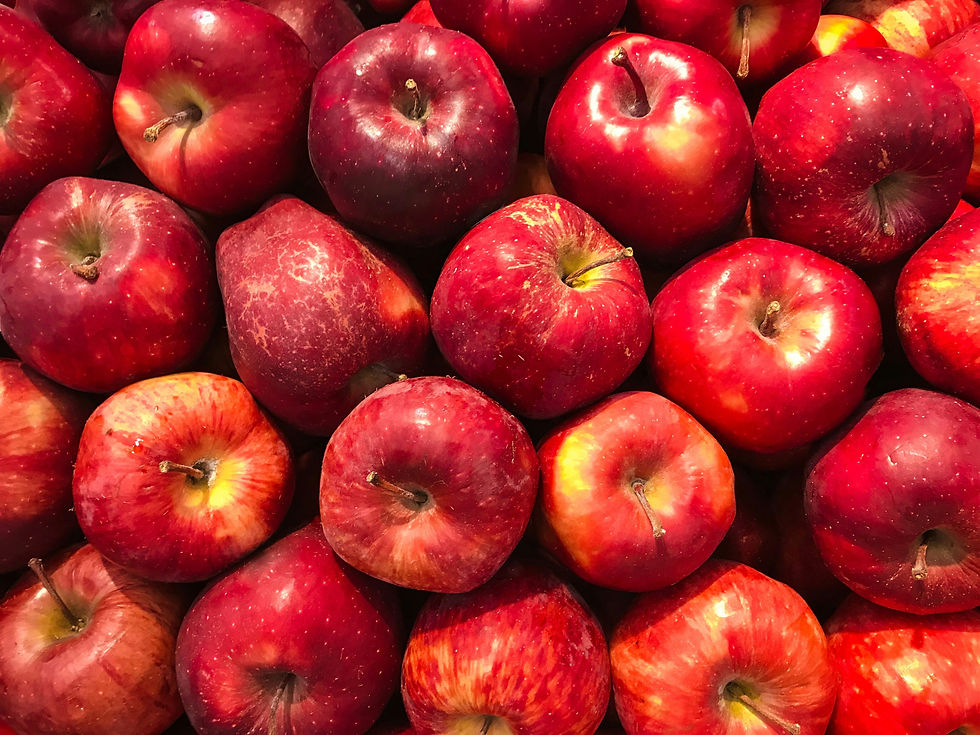
While some specialty items carry higher price tags, many fresh fruits and vegetables are among the most cost-effective foods available, especially when purchased seasonally and with minimal packaging (which, by the way, is how we roll around here). According to USDA analyses, staple produce like bananas, apples, carrots, potatoes, cabbage, and onions typically cost under $0.50 per serving, while packaged and ultra-processed snack foods often cost more per calorie and provide significantly fewer nutrients.
The real challenge often isn’t price - it’s access. Nearly 24 million people in the U.S. live in areas more than a mile from a grocery store, making fresh food harder to obtain even when it’s affordable. When fresh food isn’t nearby or convenient, people are forced to rely on more expensive, processed options.
Making fresh food easier to reach is just as important as making it affordable.
Myth #2: Eating Fresh Requires Time You Don’t Have
Fresh food is often framed as something that requires extra planning, cooking skills, or hours in the kitchen. In reality, much of what makes eating feel time-consuming is the lack of convenient options.
A banana, a handful of berries, a bag of baby carrots, or a ready-to-eat salad doesn’t require much prep or cleanup. The CDC reports that over 60% of Americans say lack of time is a primary barrier to healthy eating. Fresh food doesn’t need to be elaborate to be nourishing. Convenience shouldn’t be reserved for processed food; it should apply to fresh food too.
Myth #3: Frozen or Simple Fresh Options “Don’t Count”
There’s a misconception that only perfectly prepared, beautifully plated meals qualify as “eating fresh.” This kind of thinking creates unnecessary pressure and discourages consistency.
Frozen fruits and vegetables, pre-washed greens, and minimally prepared produce are all valid - and often more practical - ways to incorporate fresh food into daily life. Furthermore, research shows that frozen fruits and vegetables retain comparable nutritional value to fresh options and, in some cases, preserve nutrients better due to being frozen at peak ripeness.
What matters most is regular access and intake, not presentation. We’ll say it again: fresh food is about nourishment, not perfection.
Myth #4: Fresh Food Is Only for Certain Lifestyles
Fresh food is often marketed as something meant for a narrow audience: people with flexible schedules, large kitchens, or access to specialty grocery stores.
In reality, everyone deserves access to fresh, nourishing food regardless of where they live, how they commute, or how busy their day is. Food access is a systems issue, not a personal failure.
At Verdantt, we see the need for fresh food to be embedded into daily infrastructure. It should be something that exists where people already are, not something they have to go out of their way to find.
Myth #5: You Have to Change Everything at Once
Behavioral research consistently shows that small, incremental changes are far more likely to stick than drastic resets, which are often promoted this time of year.
Even modest increases - such as adding one additional serving of fruits or vegetables per day - are associated with measurable improvements in long-term health outcomes. Yet fewer than 1 in 10 Americans meet daily fruit and vegetable recommendations, not because they don’t care, but because access and convenience remain inconsistent.
Moving Forward in 2026
As we move into 2026, Verdantt remains focused on one simple idea: fresh food should be easy to find, easy to choose, and easy to enjoy.
Because when fresh food is truly accessible, healthier choices become the natural ones.


Comments