
How to Store Produce In Your Fridge the Right Way
Your refrigerator is designed with specific temperature zones and humidity controls that serve different purposes and can significantly extend the life of your food and reduce spoilage when used correctly. Obviously, that pulls at Verdantt’s heart strings, and if it tugs at yours too, here are some tips on how to make the most of your fridges’ zones.
First Things First: Set the Right Temperature
Your fridge should be set between 34 - 41°F.
Too warm? Food spoils faster.
Too cold? Some produce can freeze and lose texture.
Some key concepts to keep in mind:
Don’t overload yo
ur fridge - the cold air needs to circulate.
Practice stock rotation: place newly purchased food behind older items so you use older food first - think First in First Out!
Don’t store open cans in the fridge.
Store leftovers in sealed containers within 2 hours of cooking.
Never place hot food directly into the fridge — allow it to cool first.
Now, let’s break down where everything should go.

Upper Shelves: Ready-to-Eat Foods
The upper shelves maintain a consistent temperature and are ideal for foods that don’t need further cooking.
Some items to store here include leftovers, dips, deli salads, and cooked meats.
Because these foods are ready to eat, keeping them separate from unprepared items reduces the risk of cross-contamination.
Middle Shelves: The Coldest & Most Accessible Spot
The middle portion of your fridge is often the coldest and most convenient area for storage. Here, you should place your dairy products, including milk, eggs, cheese, butter, and yogurt.
Keeping dairy in the coldest part helps maintain their freshness for longer and prevent spoilage.
Lower Shelves: Raw Proteins Only
The bottom shelf is the safest place for raw meats because it prevents juices from dripping onto other foods.

It’s best to store all raw proteins, like poultry and fish, in sealed containers for this same reason. You may even consider placing a liner on this shelf to catch any juices just to be safe!
Crisper Drawers: Where Produce Belongs
Let’s talk produce! The crisper drawers are specific
ally designed to control humidity - which is critical for your fruits and veggies.
Many refrigerators have two drawers:
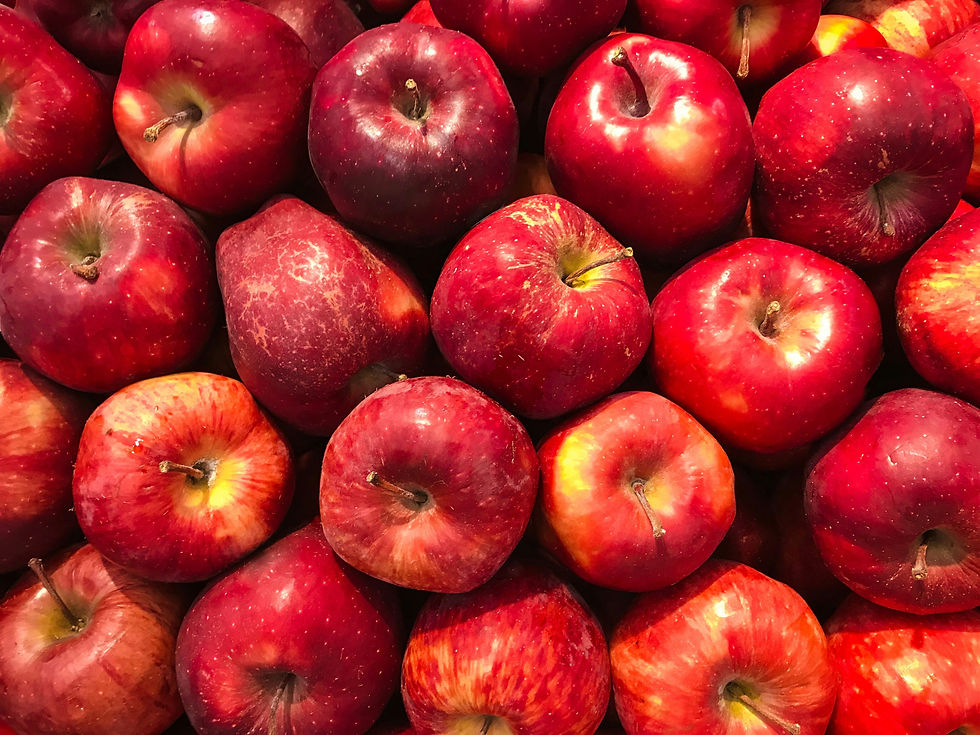
Low-humidity drawer which has more airflow and is best for fruits that produce higher levels of ethylene gas. Ethylene speeds up ripening and can cause nearby produce to spoil faster. Produce that belongs here includes cantaloupes, peaches, avocados, kiwi, papayas, apples, pears and more.
The high-humidity drawer has minimal airflow and is designed for produce that is more sensitive to ethylene exposure and benefits from moisture retention. Produce that is especially susceptible to ethylene include strawberries, broccoli, lettuce and other crisp greens, peppers, cucumbers, squash, and sweet potatoes. We recommend storing those items here.
Separating ethylene-producing fruits from sensitive vegetables can dramatically extend shelf life and is hands down the best way to utilize the components of your refrigerator.

Fridge Door: The Warmest Spot
The fridge door experiences the most frequent temperature fluctuations due to how often it’s opened. Therefore, you should only store items here that can tolerate these changes.
If you keep your condiments, jams, pickled and preserved foods, bottled water, and soda here, you are doing it right!
Why This Matters
Proper refrigerator organization protects against foodborne illness and extends the life of fresh produce which reduces food waste and keeps more money in your pocket.
At Verdantt Fresh, we’re here to help you create small habits like refrigerator organization that compound into meaningful impact in your personal waste.
In a world full of too much noise about what helps and what doesn’t, sometimes, sustainability is as simple as moving your strawberries to the right drawer.


Comments